

MENTAL HEALTH SELF-LEARNING CENTER
Learn. Heal. Grow. At your own pace.

This is for informational or educational purposes only, and does not substitute professional medical advice or consultations with healthcare professionals.
1. Mental Health – How your mind thinks, feels, and handles life.
2. Emotional Health – Your ability to understand and manage your feelings.
3. Well-Being – The overall balance of your mind, body, and emotions.
4. Stress – Your body’s reaction to pressure or challenges.
5. Coping Skills – Tools you use to handle stress, problems, or strong emotions.
6. Resilience – Your ability to bounce back after hard times.
7. Trauma – Deep emotional wounds caused by scary or overwhelming experiences.
8. Anxiety – A feeling of worry or fear that doesn’t go away easily.
9. Depression – Long-lasting sadness or lack of energy.
10. Self-Esteem – How you feel about yourself and your worth.
11. Boundaries – Limits you set to protect your peace and energy.
12. Triggers – Things that cause strong emotional reactions.
13. Mindfulness – Focusing on the present moment without judgment.
14. Overwhelm – Feeling like everything is too much.
15. Burnout – Mental and physical exhaustion from long-term stress.
16. Negative Self-Talk – Unkind thoughts you tell yourself.
17. Emotional Regulation – Managing and calming your emotions.
18. Cognitive Distortion – Unhelpful thinking patterns that twist reality.
19. Grounding – Techniques to stay calm and present.
20. Disassociation – Feeling disconnected from your body or surroundings.
21. Support System – People you can depend on emotionally.
22. Attachment Style – How you bond and trust others.
23. Codependency – Relying too much on someone emotionally.
24. Gaslighting – Manipulating someone into doubting reality.
25. Healthy Communication – Expressing thoughts clearly and respectfully.
26. Conflict Resolution – Solving disagreements in a calm way.
27. Social Anxiety – Fear of being judged in social settings.
28. Emotional Intelligence – Understanding and managing emotions.
29. Self-Care – Activities that refill your energy.
30. Inner Child – Your childhood emotions still inside you.
31. Healing – Recovering emotionally and mentally.
32. Acceptance – Letting go of fighting reality.
33. Gratitude – Being thankful to shift your mindset.
34. Journaling – Writing thoughts to process feelings.
35. Therapy – Talking to a professional for mental health support.
Understanding the meaning of words for better comprehension
Mental Health = How your mind thinks, how your heart feels, and how your body reacts to life.
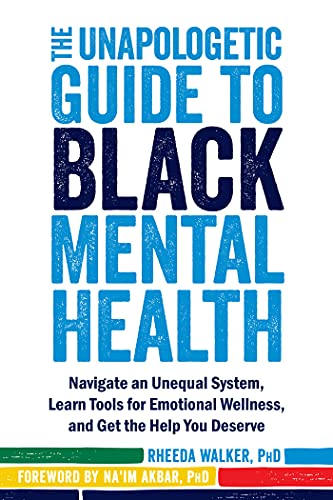
When a person is experiencing challenges with their mental health, it is essential for them to receive quality care as soon as the symptoms are recognized. It is equally important that the care they receive is provided by culturally competent health care
Helps you make better decisions
Reduces stress
Builds confidence
Improves relationships
For many in the Black community, it can be incredibly challenging to discuss the topic of mental health due to this concern about how they may be perceived by others. This fear could prevent people from seeking mental health care when they really need it..
You may need support if you notice:
Feeling overwhelmed
Shutting down or isolating
Snapping or getting irritated easily
Long-lasting sadness or emptiness
Overthinking
Feeling disconnected
Losing motivation
Don’t belive the hype, go see a therapist and get your mnd right.
“Therapy is only for White people.”
Therapy is for anyone who wants peace.
“Kids don’t get depressed.”
Kids and teens struggle deeply but hide it well.
“People from the hood don’t need therapy”
Mental health is survival.
2-minute breathing reset
Emotion check-ins
Morning gratitude
Stretching or walking
Drinking water
Writing your thoughts
Talking to a safe person
Protecting your peace
Childhood trauma
Neglect
Instability
Poverty trauma
Relationship trauma
Environmental trauma
Setting boundaries
Learning your triggers
Rewiring negative thoughts
Grounding exercises
Self-compassion
Inner child work
Building a support system
Life be life-ing so hard sometimes you gotta laugh. It’s like we’re all players in an open-world video game, figuring out quests, dodging chaos, and trying to upgrade our character. But to beat the big levels? You need structure, discipline, and a whole lot of faith
Consequences for breaking rules — may include extra chores, loss of privileges, or written assignments.
A scheduled period where students must complete homework in a supervised, quiet environment.
Rewards for good behavior or academic performance, such as extra recreation time or outings.
A chaotic home doesn’t just make things “messy.” It damages people from the inside out. Chaos becomes a silent teacher—showing kids instability, teaching parents survival instead of connection, and breaking the family bond one stressful moment at a time.
When a home is loud, unorganized, or unpredictable, everyone inside stays in fight-or-flight mode.
Your body never rests.
Your mind never calms down.
Stress becomes the default—and that stress turns into anger, frustration, or emotional shutdown..
Children need structure to feel secure.
But in a chaotic home:
Rules change daily
Parents are overwhelmed
Emotions explode for small reasons
You can’t pour into your children when you’re:
Tired
Overstimulated
Behind on everything
Drowning in clutter or conflict
A chaotic home creates:
More yelling
More misunderstandings
More shutdown
More disrespect on all sides
Chaos drains the mind.
It leads to:
Depression
Anxiety
Emotional numbness
Constant irritability
Feeling overwhelmed all the time
hen the home is out of order, everything else becomes harder:
School
Work
Finances
Relationships
Self-worth
A peaceful home doesn’t mean perfect.
It means:
Structure
Predictability
Clean enough to function
Clear communication
Emotional stability
A calm home makes parenting easier.
It makes learning easier.
It makes bonding easier.
It makes life easier.
Hospitals, Rehabs, Crisis Lines & Outpatient Services
Inpatient psychiatric care for adults and children.
Phone: 313‑916‑2600
Psychiatric hospital serving adolescents, adults, and seniors.
Phone: 313‑345‑9444
Outpatient behavioral health, youth programs, case management.
Phone: 313‑873‑8000
Treatment for mental health and substance use disorders.
Phone: 313‑962‑2323
Crisis response, peer support, counseling programs.
Phone: 866‑427‑4747