
The Importance of Conflict Resolution, Respect, and Discipline
Picture this – you're chillin' with your people and suddenly drama pops off. Knowing how to handle that drama with finesse, whether it's a disagreement or a full-on showdown, sets you apart. It's not about being a pushover; or a gangsta, it's about being smart, finding common ground, and keeping your cool when things get heated.
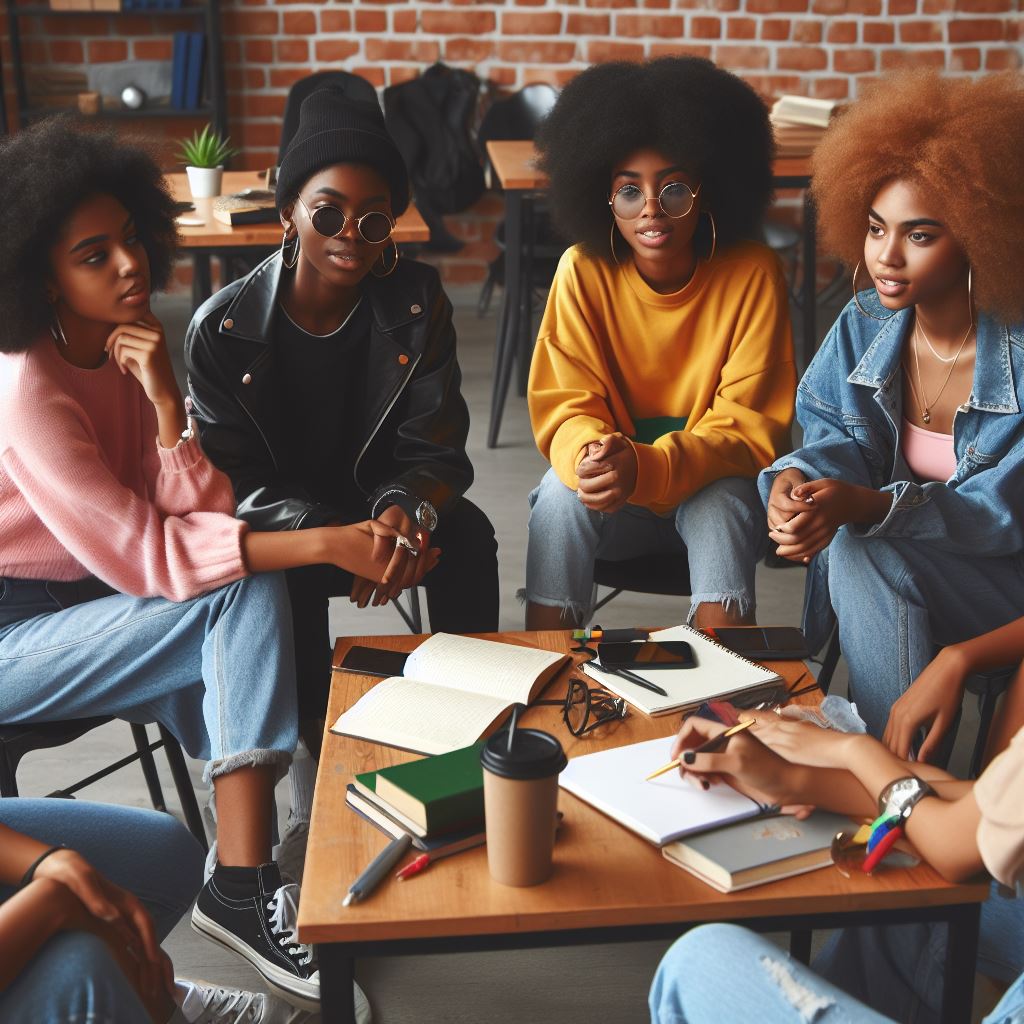


UNDERSTANDING CONFLICT
- Definition of Conflict
- Types Of Conflicts
- Causes of Conflict
Conflict is like when you and someone else want different things or see things differently. It’s like a clash or disagreement that can happen between people or even within yourself. It’s normal, but how you handle it can make a big difference.
Interpersonal Conflict: This one’s all about the drama between people. It could be a disagreement with a friend, a clash with a family member, or even a beef with a colleague. Interpersonal conflicts can be intense, but handling them with grace can lead to stronger relationships.
2. Intrapersonal Conflict: Ever had a battle going on inside your own head? That’s intrapersonal conflict. It’s like when you’re torn between two choices or struggling with your beliefs and values. Resolving intrapersonal conflict is all about finding peace within yourself.
3. Intergroup Conflict: This type of conflict goes beyond just individuals. It’s when whole groups – like teams, organizations, or communities – have beef with each other. Intergroup conflicts can be complex, often involving deep-rooted issues that need careful mediation.
4. Intragroup Conflict: Even within a tight-knit group, conflicts can arise. Maybe there’s a difference in opinion on how to tackle a project or a clash of personalities. Resolving intragroup conflict requires open communication and a focus on the common goal.
5. Structural Conflict: This type of conflict stems from inequalities or power imbalances within a system. It could be related to issues like discrimination, resource distribution, or organizational policies. Addressing structural conflict often involves advocating for systemic change.
6. Value Conflict: When your values clash with someone else’s, that’s value conflict. It could be about ethics, beliefs, or principles. Resolving value conflicts requires understanding each other’s perspectives and finding common ground.
Knowing the types of conflicts you might encounter can help you approach them with a clear mind and a strategic mindset. Remember, conflict resolution isn’t about avoiding conflict; it’s about facing it head-on and coming out stronger on the other side.
Misunderstandings: Ever had a text message misinterpreted? Yeah, misunderstandings can easily spiral into conflicts. Different backgrounds, cultures, or communication styles can all play a role in this mix-up.
Ego Clashes: Sometimes, it’s all about the ego. When people feel their pride is on the line or their ideas aren’t being valued, conflicts can brew faster than a storm in summer.
Limited Resources: Whether it’s time, money, or even attention, when resources are scarce, tensions can run high. Everyone wants their piece of the pie, right?
Different Values or Goals: We’re all unique, with our own set of values and goals. When these clash, conflicts can arise. It’s like trying to mix oil and water; they just don’t blend sometimes.
Stress and Emotions: When stress levels are high or emotions are running wild, people can be more reactive and less open to finding common ground. It’s like trying to have a calm conversation during a thunderstorm.
Past Experiences: Sometimes, conflicts are fueled by past experiences or traumas. These can create a lens through which people view current situations, leading to misunderstandings or overreactions.
By understanding these causes, you can approach conflicts with a clearer mind and work towards resolutions that benefit everyone involved. After all, conflicts don’t have to be the end of the story; they can be the plot twist that leads to a better ending.
Conflict
- Conflict: A serious disagreement or argument, typically a protracted one.
- Dispute: A disagreement or argument.
- Tension: Mental or emotional strain resulting from opposing forces.
- Aggression: Hostile or violent behavior or attitudes toward another.
- Opposition: Resistance or dissent expressed in action or argument.
- Hostility: Unfriendly or antagonistic behavior.
- Animosity: Strong hostility.
- Discord: Lack of harmony or agreement between people.
- Confrontation: A hostile or argumentative situation between opposing parties.
- Strife: Angry or bitter disagreement over fundamental issues; conflict
Conflict Resolution
- Mediation: Intervention in a dispute to resolve it; arbitration.
- Negotiation: Discussion aimed at reaching an agreement.
- Arbitration: The use of an arbitrator to settle a dispute.
- Compromise: An agreement or settlement of a dispute reached by each side making concessions.
- Conciliation: The action of stopping someone from being angry; placation.
- Facilitation: The process of making something easier or helping something to happen.
- Reconciliation: The restoration of friendly relations.
- Dialogue: A conversation between two or more people as a feature of a book, play, or movie.
- Peacemaking: The process of bringing about peace, especially by reconciling adversaries.
- Resolution: A firm decision to do or not to do something; the action of solving a problem or contentious matter.
PTSD (Post-Traumatic Stress Disorder)
- Trauma: A deeply distressing or disturbing experience.
- Flashback: A sudden and disturbing vivid memory of an event in the past.
- Hypervigilance: Enhanced state of sensory sensitivity accompanied by an exaggerated intensity of behaviors whose purpose is to detect threats.
- Intrusion: Unwanted thoughts, memories, or nightmares about a traumatic event.
- Avoidance: The action of keeping away from or not doing something.
- Dissociation: A mental process of disconnecting from one’s thoughts, feelings, memories, or sense of identity.
- Nightmares: Disturbing dreams associated with negative feelings, such as anxiety or fear.
- Triggers: Specific stimuli that cause distressing recollections of a traumatic event.
- Hyperarousal: Increased psychological and physiological tension, including a heightened startle response and hypervigilance.
- Coping Mechanisms: Strategies used to manage stress and emotional conflict.
Mental Health Conditions
- Anxiety: A feeling of worry, nervousness, or unease about something with an uncertain outcome.
- Depression: A mood disorder causing a persistent feeling of sadness and loss of interest.
- Bipolar Disorder: A mental disorder marked by alternating periods of elation and depression.
- Schizophrenia: A long-term mental disorder involving a breakdown in the relation between thought, emotion, and behavior.
- Obsessive-Compulsive Disorder (OCD): A disorder characterized by excessive thoughts (obsessions) that lead to repetitive behaviors (compulsions).
- Panic Disorder: An anxiety disorder characterized by recurrent unexpected panic attacks.
- Social Anxiety Disorder: A chronic mental health condition in which social interactions cause irrational anxiety.
- Phobia: An extreme or irrational fear of or aversion to something.
- Borderline Personality Disorder: A mental health disorder characterized by unstable moods, behavior, and relationships.
- Postpartum Depression: A type of mood disorder associated with childbirth, affecting both sexes.
Yo, so we’re all about making learning fun and accessible, right? That’s why we use videos as a way of teaching. Some folks learn better when they can see things in action, you know? It’s like bringing real-life scenarios right to your screen.
Imagine trying to explain how to resolve a conflict without actually showing what it looks like. Videos help those who have a hard time understanding reality by giving them a visual representation. They can see the situation, hear the tones, and read the body language—all crucial parts of understanding conflicts.
By using videos, we’re not just telling people how to handle conflicts; we’re showing them. It’s like having a front-row seat to real-life situations, but without the pressure. Plus, it makes learning more engaging and fun, which is always a win!
So, whether you’re a visual learner or just looking for a more interactive way to learn about conflict resolution, our videos are here to help you understand and navigate real-life scenarios with confidence.

MEDIATION
A mediation center can help people with conflicts by providing a neutral space where they can discuss their issues calmly and work towards finding a mutually acceptable solution. Here's a simplified breakdown:
Contact us at 734-794-2125 or info@thedrcmi.org
4133 Washtenaw Ave, Suite B125, PO Box 8625, Ann Arbor, MI 48107
© 2022 The Dispute Resolution Center | Privacy Policy | Website by Ellanyze
is proudly powered by WordPress
